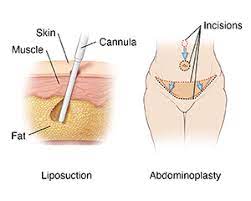
Abdominoplasty With Liposuction, India
Abdominoplasty With Liposuction
India
-
Our Price USD 2970
-
Hospital Price USD 3300
-
You Save : USD 330
Booking Amount: USD 297. Pay Remaining 90% at the hospital.
Book NowAdditional Credit
Among the important extras we offer as part of the Additional Credit are the following:
-
Site Tourism For The Patient & Attendant
-
Airport Pick & Drop Service
-
Ambulance service at airport
-
Priority appointments with The Doctor
-
Cancel Easily Anytime with Full Refund
-
Room Upgradation
-
Free Online Doctor Consultation Valued at USD 20
-
Free hotel Stay for 5 to 7 days Accordingly
-
Welcome Kit at Arrival
-
Interpreter
-
Medical Visa Assistance
What is Included?
- Doctor consultation charges
- Lab tests and diagnostic charges
- Room charges inside hospital during the procedure
- Surgeon Fee
- Cost of implant
- Nursing charges
- Hospital surgery suite charges
- Anesthesia charges
- Routine medicines and routine consumables (bandages, dressings etc.)
- Food and Beverages inside hospital stay for patient and one attendant.
What is not Included?
- Extra Radiology Investigations
- Healthcare Professionals Charges of other consultations.
- Other Requested Services such as Laundry etc.
- Additional Pharmaceutical Products and Medicines After Discharge from Hospital.
- Management of Conditions Unrelated to Procedures or Pre-Existing.
- The cost of any additional implants will be in addition to the package cost.
Package Description
Abdominoplasty With Liposuction
The procedure is also known as a "tummy tuck." They can be combined to improve the appearance of your waist and stomach. Extra fat and skin from your stomach can be removed during a tummy tuck (abdomen). Certain muscles can also be adjusted to help with stomach weakness. Liposuction is a procedure that removes excess fat from beneath the skin.
You should be able to obtain the smooth, toned abdomen you desire with a stomach tuck. If you want to eliminate fat and tighten your abdominal area, lipoabdominoplasty, which combines the two surgeries, is the ideal option for you. Liposuction is done initially to remove extra fat during the operation.
Disease Overview:
If you live a busy and stressful life, maintaining a healthy lifestyle may be tough. Stress, bad eating, technology reliance, a sedentary lifestyle, and the ready availability of fast food are all factors that lead to belly obesity.
Belly fat is one of the most difficult fats to lose. To lose stubborn belly fat, you'll need a long-term, nutritious habit. Small adjustments in your lifestyle can have a big impact on your total weight and belly fat. An rise in belly fat can signal a variety of health concerns, including diabetes, heart disease, and liver damage.
According to recent study, men and women's bodies react differently to abdominal fat. While belly fat in males causes cardiovascular disease, disease resistance, and high blood pressure, Harvard Health Publishing reports that belly fat in women poses a bigger risk. According to a hip-to-waist and BMI comparison, women had an 18% higher likelihood of having a heart attack than males. In women, it can also raise the risk of Type 2 diabetes and breast cancer.
The Different Types of Belly Fat
Visceral fat and subcutaneous fat are the two forms of abdominal fat.
The organs are surrounded by visceral fat, while subcutaneous fat is located beneath the skin. The majority of subcutaneous adipose tissue is harmless. Visceral fat, on the other hand, can lead to heart disease, type 2 diabetes, cancer, liver damage, gall bladder problems, and dementia. Visceral adipose tissue is also "metabolically active" tissue. They have more cells, blood vessels, and nerves than subcutaneous adipose tissue, in other words.
Disease Causes:
People get belly fat for a variety of reasons. These are some of them:
1. A bad diet
A diet high in the improper kinds of foods can contribute significantly to belly fat gain. A low-protein, high-carbohydrate diet, for example, can have a significant impact on weight. Furthermore, carbohydrates such as bread, sweets, and drinks might impact the body by decreasing metabolism. It can also impair your capacity to successfully burn fat. As a result, fat deposits in the abdomen area develop. Furthermore, certain fats, such as trans-fats and saturated fatty acids, are harmful to the body. These fats can be found in fast food, baked products, and unhealthy snacks.
2. Insufficient physical activity
Lack of exercise is another major contributor to abdominal fat gain. According to one study, insufficient exercise had a higher impact on belly fat than calorie intake. You may gain fat in your body if you consume more calories than you burn. It gets increasingly difficult to lose weight as more fat accumulates in the body.
3. A Sleep Schedule That Isn't Consistent
Weight accumulation, particularly abdominal fat, is influenced indirectly by an inconsistent sleep routine. According to a study, those who have irregular sleeping cycles are more prone to engage in harmful eating habits such as binge eating or emotional eating. Some people use binge eating as a coping technique when they are stressed out due to a lack of sleep.
Furthermore, obtaining less sleep may cause you to feel more anxious. Sleep deprivation causes a slowed metabolism and an unhealthy digestive system, which makes it difficult to burn fat effectively.
4. Molecular biology
The single risk factor we have no control over is our DNA. Whether or not a person is overweight, some genes improve a person's capacity to accumulate fat in the abdominal region. Furthermore, our genetics can have an impact on how well our bodies metabolise fat. Some people struggle to shed weight, particularly belly fat, as a result of their sluggish metabolism.
5. Anxiety
Chronically stressed people continually emit cortisol into their circulation. Cortisol ensures the body's survival by preparing it for any disaster.
Unfortunately, this survival mode ignores the need of proper digestion. As a result, our metabolism slows down. As a result, instead of digesting fats, this hormone stores fat, particularly belly fat. Stress can also lead to poor eating habits and sleep patterns, all of which contribute to the accumulation of belly fat.
6. Excessive Alcohol Consumption
Excessive or binge drinking alcohol is linked to an increase in fat tissue in the body, according to research. The abdominal area is more prone to acquire adipose or fat tissue. Drinking too much makes you hungry, which leads to binge eating (mostly unhealthy and fast food). Because alcohol stimulates the release of neurotransmitters like opioids and GABA, this occurs. These neurotransmitters cause the body to experience hunger.
Furthermore, alcohol raises the levels of satiety-related hormones. They stop the production of enzymes that are necessary for carbohydrate digestion.
Disease Causes:
There are several methods for determining abdominal obesity, including:
- Absolute waist circumference (for males, >102 cm (40 in) and for women, >88 cm (35 in))
- Waist–hip ratio (waist circumference divided by hip circumference, >0.9 for males and >0.85 for women)
- Waist-to-height ratio (waist circumference divided by height; >0.5 for people under 40, >0.6 for those over 50)
- Abdominal Sagittal Diameter
- Intra-abdominal body fat is linked to unfavourable health outcomes in those with a BMI ≤ 35, regardless of total body fat. Intra-abdominal fat, often known as visceral fat, has a significant link to cardiovascular disease.
Obesity may be defined in a variety of ways, including BMI and waist measures. Waist measures, on the other hand, are not as precise as BMI readings.
As a result, it is advised that both measuring methods be used.
Disease Treatment:
There are a variety of approaches to coping with such issues, including proper food and exercise. However, many cosmetic procedures can be used for a longer-term and faster therapy. Let's have a look at some of the surgical procedures.
Slim Lipo: This approach may be used to get rid of extra and undesirable fat that has built up in the hips and abdomen. This is a surgical technique that involves making an incision and using assisted laser therapy to remove fat and shape the region.
Coolsculpting: This is a non-invasive technique that targets abdominal fat and love handles to reduce excess fat. The laser fibre reaches the fat cells in this process before eliminating them, giving the hips and waist a healthier shape.
Fat Freezing: This is a popular method for eliminating fat from an area where it has built up. This strategy burns fat and is significantly more successful in the long run than simply losing weight. This type of therapy may be used on various parts of the body, such as the chin and arms, in addition to lowering the fat that causes love handles and belly fat.
Contouring with Cosmetology: Cosmetology uses a combination of aided laser and incisions to remove and burn fat cells in a variety of invasive and non-invasive treatments. This type of focused therapy typically produces a consistent outcome throughout the entire body and generates a well-contoured appearance, as well as tightening the skin and preventing it from drooping owing to rapid fat loss. Aside from that, other liposuction and contouring treatments can be used to eliminate extra fat and improve body form.
Other measures include: Diet and exercise are two other methods that will take a long time to provide benefits.
With the help of a trainer, one may target certain parts of the body to tone extra fat and avoid weight gain. Also, for people who are suffering the development of love handles and belly fat, ingesting less calories and burning them via enough activity is one of the most well-proven techniques. You can contact a dermatologist if you want to talk about a specific condition.
Abdominoplasty With Liposuction
The procedure is also known as a "tummy tuck." They can be combined to improve the appearance of your waist and stomach. Extra fat and skin from your stomach can be removed during a tummy tuck (abdomen). Certain muscles can also be adjusted to help with stomach weakness. Liposuction is a procedure that removes excess fat from beneath the skin.
Information related to Treatment
Package Details
Days in Hospital
2 Days
Days in Hotel
*
5 Days
Room Type
Private
Treating Doctor
Dr. Sanjay Gogoi
Urologist- Renal Transplant, Congenital Disorders Evaluation / Treatment, Fitsula treatment, Urogynaecology, Transurethral resection prostate surgery (TURP), Robotic urological surgery
Max Super Speciality Hospital, Dwarka New Delhi, India
24 Years of Experience
Treating Doctor
Dr. Suresh Rawat
Urologist- Uro Oncology, Uro Oncology, Uro Oncology, Pediatric Urology, Female Urology, Endourology Andrology, Reconstructive Urology
Indraprastha Apollo Hospitals, New Delhi New Delhi, India
40 Years of Experience
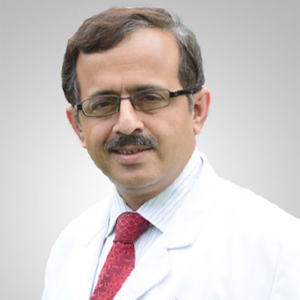
Treating Doctor
Dr. (Colonel) Avnish Seth
Gastroenterologist- Weight Loss Specialist, Liver Transplant, Hepatitis Specialist, Gastric Balloon Treatment, Constipation, Diarrhea, Ulcerative Colitis, Capsule Endoscopy, GI Bleeding, Dyspepsia, Pancreatitis, Percutaneous endoscopic gastrostomy, ERCP and therapeutic endoscopy, Liver Transplant, Crohn's Disease, Pancreatitis, Crohn's Disease, Pain in abdomen treatment
Manipal Hospitals New Delhi, India
27 Years of Experience
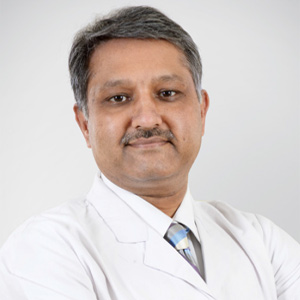
Treating Doctor
Dr. Aditya Pradhan
Urologist- Renal Transplant, Kidney Stone Treatment, Prostate Cancer, Prostate Cancer, Prostate Cancer, Prostate Cancer, Renal Transplant, Laparoscopic Urologicsl Surgery, Prostate Cancer
BLK-Max Super Speciality Hospital New Delhi, India
29 Years of Experience
Treating Doctor
Dr. Deep Goel
Gastroenterologist- Bariatric Surgeon, Liver Transplant, Bariatric Surgeon, Gastrointestinal Cancer, Anti-Ageing Treatment, Gastric Sleeve Surgery, Gastroenterology, Weight loss metabolic surgery, Minimal access surgery (Key hole surgery), Liver Transplant, Pancreatic or Duodenal Trauma, Gastroenterology, Gastrointestinal Cancer, Gastrointestinal Cancer
BLK-Max Super Speciality Hospital New Delhi, India
24 Years of Experience
Treating Doctor
Dr. Anurag Khaitan
Urologist- PCNL Surgery, Urinary Incontinence (Ui), Transurethral resection prostate surgery (TURP), Urinary Bladder Cancer Surgery, Erectile Dysfunction, Urinary Bladder Cancer Surgery
Paras Hospitals Gurgaon, India
24 Years of Experience
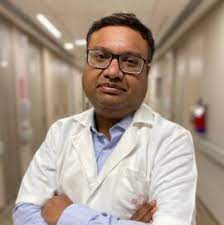
Treating Doctor
Dr Shalabh Agrawal
Urologist- Gallbladder Stone, Kidney Stone Specialist, Prostate Cancer, Urinary tract infections, Urinary Incontinence (Ui), Urogynaecology, Prostate Cancer, Prostate Cancer, Prostate Cancer, Urological Cancers, Prostate disease, Prostate Cancer, Minimally invasive and laser treatment of kidney stones, Endoscopic/laser prostate surgeries, Microsurgical urological procedures, Urogynaecology, Fistulas, Reconstructive paediatric, Penile implants
CK Birla Hospital, Gurgaon Gurgaon, India
20 Years of Experience
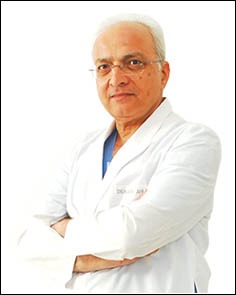
Treating Doctor
Dr. Rajesh Kumar Ahlawat
Urologist- Robotic Surgeon, Gallbladder Cancer, Robotic Surgeon, Laparoscopic Surgery, Renal Transplant, Laparoscopic Surgery, Robotic Surgeon, Laparoscopic Surgery, Laparoscopic Surgery, Laparoscopic Surgery, Gallbladder Cancer, Laparoscopic Surgery, Prostate Cancer Treatment, Renal Transplant, Endourologist, Minimal Invasive nephron- sparing renal surgery
Medanta-The Medicity, Gurgaon Gurgaon, India
41 Years of Experience
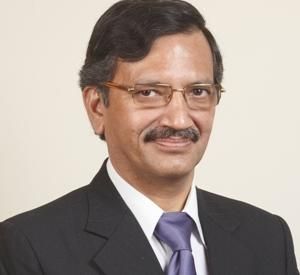
Treating Doctor
Dr Rajesh Khullar
General surgeon- Bariatric Surgeon, Bariatric Surgeon, Rhinoplasty, Abdominoplasty, Abdominoplasty, Rhinoplasty, Blepharoplasty, Endosurgery, Abdominoplasty, Face Lift/ Rhytidectomy, Rhinoplasty, Blepharoplasty, Endosurgery, Abdominoplasty, Face Lift/ Rhytidectomy, Rhinoplasty, Endosurgery, Blepharoplasty
Max Super Speciality Hospital New Delhi, India
36 Years of Experience
Treating Doctor
Dr Pratap Bahadur Singh
Urologist- Kidney Transplant, Reconstructive Surgeon, Bladder Cancer Surgery, Bladder Cancer Surgery, Kidney Transplant, Kidney Transplant, Uro Oncology, Uro Oncology, Uro Oncology, Robotic Surgery for Carcinoma Prostate
MAX Super Speciality hospital, Patpadganj Delhi New Delhi, India
33 Years of Experience
Similar Packages