PRP For Erectile Dysfunction, India
PRP For Erectile Dysfunction
India
-
Our Price USD 1170
-
Hospital Price USD 1300
-
You Save : USD 130
Booking Amount: USD 117. Pay Remaining 90% at the hospital.
Book NowAdditional Credit
Among the important extras we offer as part of the Additional Credit are the following:
-
Site Tourism For The Patient & Attendant
-
Airport Pick & Drop Service
-
Ambulance service at airport
-
Priority appointments with The Doctor
-
Cancel Easily Anytime with Full Refund
-
Room Upgradation
-
Free Online Doctor Consultation Valued at USD 20
-
Free hotel Stay for 5 to 7 days Accordingly
-
Welcome Kit at Arrival
-
Interpreter
-
Medical Visa Assistance
What is Included?
- Doctor consultation charges
- Lab tests and diagnostic charges
- Room charges inside hospital during the procedure
- Surgeon Fee
- Cost of implant
- Nursing charges
- Hospital surgery suite charges
- Anesthesia charges
- Routine medicines and routine consumables (bandages, dressings etc.)
- Food and Beverages inside hospital stay for patient and one attendant.
What is not Included?
- Extra Radiology Investigations
- Healthcare Professionals Charges of other consultations.
- Other Requested Services such as Laundry etc.
- Additional Pharmaceutical Products and Medicines After Discharge from Hospital.
- Management of Conditions Unrelated to Procedures or Pre-Existing.
- The cost of any additional implants will be in addition to the package cost.
Package Description
PRP For Erectile Dysfunction:
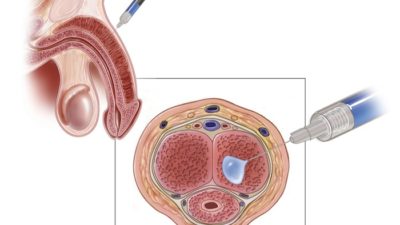
The P-Shot involves injecting platelet-rich plasma (PRP) into your penis from your blood. This implies that your doctor injects your own cells and tissues into your penile tissues to increase tissue growth and, ostensibly, improve erections. The Priapus Shot is the most common variation.
The use of intracavernosal PRP injection therapy as described in this study appears to be a safe and effective short-term treatment for mild to moderate ED.
The effects of a single therapy with this injection might last anywhere from 12 to 18 months. It's been almost a year since your sexual health and erectile function have improved.
Disease Overview:
Erectile Dysfunction
The inability to obtain and maintain a hard adequate erection for sexual intercourse is known as erectile dysfunction (ED). According to estimates, one out of every ten men will get ED at some point in their life. It's crucial to realize that ED is usually a sign of another, more serious issue. At any age, ED is not considered normal, and it can be linked to other issues that interfere with sexual intercourse, such as a lack of desire and orgasm and ejaculation issues.
Disease Signs and Symptoms:
Symptoms of erectile dysfunction might include:
- Having difficulty obtaining an erection
- Having trouble maintaining an erection
- Sexual desire is lessened.
Disease Causes:
The brain, hormones, emotions, nerves, muscles, and blood vessels all play a role in male sexual desire. A issue with any of these can cause erectile dysfunction. Erectile dysfunction can also be caused or worsened by stress and mental health issues.
Erectile dysfunction can be caused by a mix of physical and psychological factors. Anxiety over sustaining an erection, for example, may be caused by a small medical problem that delays your sexual response. Erectile dysfunction can be caused or worsened by the worry that results.
Erectile dysfunction can be caused by a variety of physical factors. It is frequently caused by a physical problem. Among the most common reasons are:
- Coronary artery disease
- Blood vessels that are clogged (atherosclerosis)
- Cholesterol levels are high.
- Blood pressure that is too high
- Diabetes\Obesity
- Increased blood pressure, elevated insulin levels, body fat around the waist, and high cholesterol are all symptoms of metabolic syndrome.
- Parkinson's disease is a neurological disorder that affects people.
- Multiple sclerosis (MS) is a disease that affects people
- Medications that are prescribed
- Tobacco consumption
- Peyronie's disease is characterised by the formation of scar tissue within the penis.
- Substance addiction, including alcoholism, is a serious problem in the United States.
- Sleep disturbances
- Prostate cancer and enlarged prostate treatments
- Surgical procedures or damage to the pelvic region or spinal cord
- Low testosterone levels
- Erectile dysfunction has psychological origins.
Starting with sensations of sexual arousal, the brain plays a major role in activating the cascade of physical processes that lead to an erection. Erectile dysfunction can be caused or worsened by a variety of factors that interfere with sexual sensations. These are some of them:
- Anxiety, depression, or other mental health issues
- Stress
- Relationship issues resulting from stress, poor communication, or other issues
- Factors that are at risk
Erections may take longer to grow and are less solid as you become older. To get and maintain an erection, you may require more direct contact with your penis.
Erectile dysfunction can be caused by a number of reasons, including:
- Diabetes and heart disease are two common medical disorders.
- Tobacco smoking, which limits blood flow to veins and arteries, can lead to chronic health problems, including erectile dysfunction, over time.
- Being overweight, especially if you're obese, is a serious problem.
- Certain medical procedures, such as prostate surgery or cancer radiation therapy
- Injury to the nerves or arteries that govern erections, especially if they are damaged.
- Medications for high blood pressure, pain, and prostate disorders, such as antidepressants, antihistamines, and other antidepressants, antihistamines, and other antidepressants, antihistamines, and other antidepressants, anti
- Stress, anxiety, and sadness are examples of psychological conditions.
- Drug and alcohol abuse, particularly if you've been abusing drugs for a long time or are a heavy drinker
Disease Diagnosis:
For many patients, a doctor may diagnose erectile dysfunction and propose therapy based on a physical exam and answers to questionnaires (medical history). If you have a chronic health problem or your doctor feels an underlying issue is at play, you may require further testing or a specialist visit.
The following tests may be used to look for underlying conditions:
- Examination of the body. This may entail a thorough examination of your penis and testicles, as well as a test of your nerves for sensitivity.
- Tests on the blood. A blood sample may be sent to a lab to check for indicators of heart disease, diabetes, low testosterone levels, and other health issues.
- urinalysis (urinalysis). Urine tests, like blood testing, are used to search for indicators of diabetes and other underlying illnesses.
- Ultrasound. This test is normally done in a doctor's office by a specialist. It entails holding a wand-like device (transducer) over the blood arteries supplying the penis. It generates a video picture that your doctor can use to determine if you have blood flow issues.
- This test is occasionally combined with a pharmaceutical injection into the penis to increase blood flow and induce an erection.
- Examine your mental health. Your doctor may ask you questions to see if you're depressed or if there are any other psychological causes for erectile dysfunction.
Disease Treatment:
The first thing your doctor will do is make sure you're getting the proper therapy for any health problems that may be causing or exacerbating your erectile dysfunction.
You may have a variety of therapy choices depending on the origin and degree of your erectile dysfunction, as well as any underlying health concerns. Your doctor will discuss the risks and advantages of each therapy with you and will take your preferences into account. Your treatment decisions may also be influenced by your partner's preferences.
Medications taken orally
For many men, oral medicines are an effective erectile dysfunction therapy.
- Sildenafil is one among them (Viagra)
- Tadalafil is a drug that is used to treat erect (Adcirca, Cialis)
- Avanafil (Levitra, Staxyn) Vardenafil (Levitra, Staxyn) (Stendra)
All four drugs boost the effects of nitric oxide, a natural substance produced by your body that relaxes penile muscles. This permits you to obtain an erection in response to sexual stimulation by increasing blood flow.
Testosterone is a hormone that is used to replenish testosterone in the body. Some men suffer from erectile dysfunction, which may be exacerbated by low testosterone levels. In this scenario, testosterone replacement therapy may be prescribed as a first step or in conjunction with other treatments.
Penis pumps, surgery, and implants are all options.
If drugs aren't working or aren't suited for you, your doctor may suggest a different treatment. Other options for therapy include:
Pumps for the penis. A penis pump (vacuum erection device) is a hollow tube with a pump that may be operated by hand or battery. The tube is put over your penis, and the air inside the tube is sucked out using the pump. A vacuum is created, which draws blood into your penis.
You slide a tension ring around the base of your penis once you've achieved an erection to keep the blood in and keep it tight. The vacuum device is then removed.
Typically, the erection lasts long enough for a couple to have intercourse. After intercourse, you remove the tension ring. Ejaculation will be inhibited by the band, and bruising of the penis is a probable adverse effect. It's possible that your penis is frigid to the touch.
Your doctor may propose or prescribe a specific model if a penile pump is an appropriate therapy option for you. That way, you can be sure it meets your requirements and is manufactured by a reliable company.
Implants in the sperm. Devices are surgically implanted into both sides of the penis in this procedure. Inflatable or malleable (bendable) rods are used in these implants. You can manage when and how long you get an erection with inflatable devices. Your penis will be solid but pliable thanks to the malleable rods.
Penile implants are rarely indicated before other options have been exhausted. Those who have tried and failed more conservative therapy report a high level of satisfaction with implants.As with any surgery, there's a risk of complications, such as infection. Penile implant surgery is not recommended if you currently have a urinary tract infection.
Information related to Treatment
Package Details
Days in Hospital
1 Days
Days in Hotel
*
3 Days
Room Type
Private
Treating Doctor
Dr. Shilpi Tiwari
Urologist- Microsurgery, Infertility Specialist, Infertility Specialist, Andrology, Urologic Oncology, Endourology, Andrology, Endourology
Vimhans Nayati Super Speciality Hospital New Delhi, India
16 Years of Experience
Treating Doctor
Dr Rajeev Sood
Urologist- Vascular Surgeon, Liver Specialist, Minimally invasive surgery, Liver Disease Treatment, UTI Treatment, Transurethral resection prostate surgery (TURP)
Fortis Flt. Lt. Rajan Dhall Hospital, Vasant Kunj, Delhi New Delhi, India
55 Years of Experience

Treating Doctor
Dr. Vikram Sharma
Urologist- Andrology, Uro Oncology, Endourology, Uro Oncology, Andrology, Robotic urological surgery, Endourology, Uro Oncology, Urology Consultation
Fortis Memorial Research Institute Gurgaon, India
36 Years of Experience

Treating Doctor
Dr Dushyant Nadar
Urologist- Gallbladder Stone, HIV Specialist, Urine Leakage, Blood in Urine, Urine Stone, Male Infertility, Urinary Tract /Bladder Stones Treatment, Urinary incontinence problem, UTI Treatment, Male Infertility, Hydrocele Testis treatment, Erectile Dysfunction, Urethral reconstruction, Benign Prostatic Hyperplasia
Fortis Hospital Noida Noida, India
22 Years of Experience

Treating Doctor
Dr. Anant Kumar
Urologist- Kidney Transplant, Chronic kidney disease, Bladder Cancer Surgery, Bladder Cancer Surgery, Kidney Transplant, Kidney Transplant, Male Infertility, Prostate Cancer, Glomerulonephritis, Kidney Failure, End-Stage Renal Disease, PCOD (Polysistic ovarian disease), Prostate Cancer, Prostate Cancer, Prostate Cancer, Glomerulonephritis, End-Stage Renal Disease, Male Sterilization or Contraception, Benign Prostatic Hyperplasia, Prostate Cancer, Trans Urethral Resection of Prostrate (TURP), Robotic radical prostatectomy, Robotic ureteric re-implantation, Robotic radical cystectomy
Max Super Speciality Hospital New Delhi, India
36 Years of Experience
Treating Doctor
Dr. Anurag Khaitan
Urologist- PCNL Surgery, Urinary Incontinence (Ui), Transurethral resection prostate surgery (TURP), Urinary Bladder Cancer Surgery, Erectile Dysfunction, Urinary Bladder Cancer Surgery
Paras Hospitals Gurgaon, India
24 Years of Experience

Treating Doctor
Dr Arun Shah
Urologist- Vascular Surgeon, Vascular Surgeon, Penis Pain, Testicular Biopsy, Erectile Dysfunction
Apollo Hospitals Jubilee Hills Hyderabad Hyderabad, India
36 Years of Experience

Treating Doctor
Dr. Gautam Banga
Urologist- Complex Reconstructive Surgery, Penile Augmentation/ lengthening/Hypospadias repair, Penis Pain, Erectile Dysfunction, Urethral reconstruction, Penile implants
SCI International Hospital New Delhi, India
17 Years of Experience

Treating Doctor
Dr. Anil Mandhani
Urologist- Kidney Specialist, Urinary bladder Cancer, Robotic Reconstructive Surgery, Complex Cancer Surgery, Advance Robotic Surgery in Prostate, Redo Surgery in Urology, Single Stage Kidney Transplant
Fortis Memorial Research Institute Gurgaon, India
31 Years of Experience

Treating Doctor
Dr. Darshan K Shah
Urologist- Kidney Stone Treatment, Penis Pain, Testicular Biopsy, Urinary Incontinence (Ui) Treatment, Urinary Incontinence (Ui) Treatment, URS, Female Urology, Erectile Dysfunction, Reconstructive male & female urology, Urethral reconstruction
KD Hospitals, Ahmedabad Ahmedabad, India
25 Years of Experience
Similar Packages